
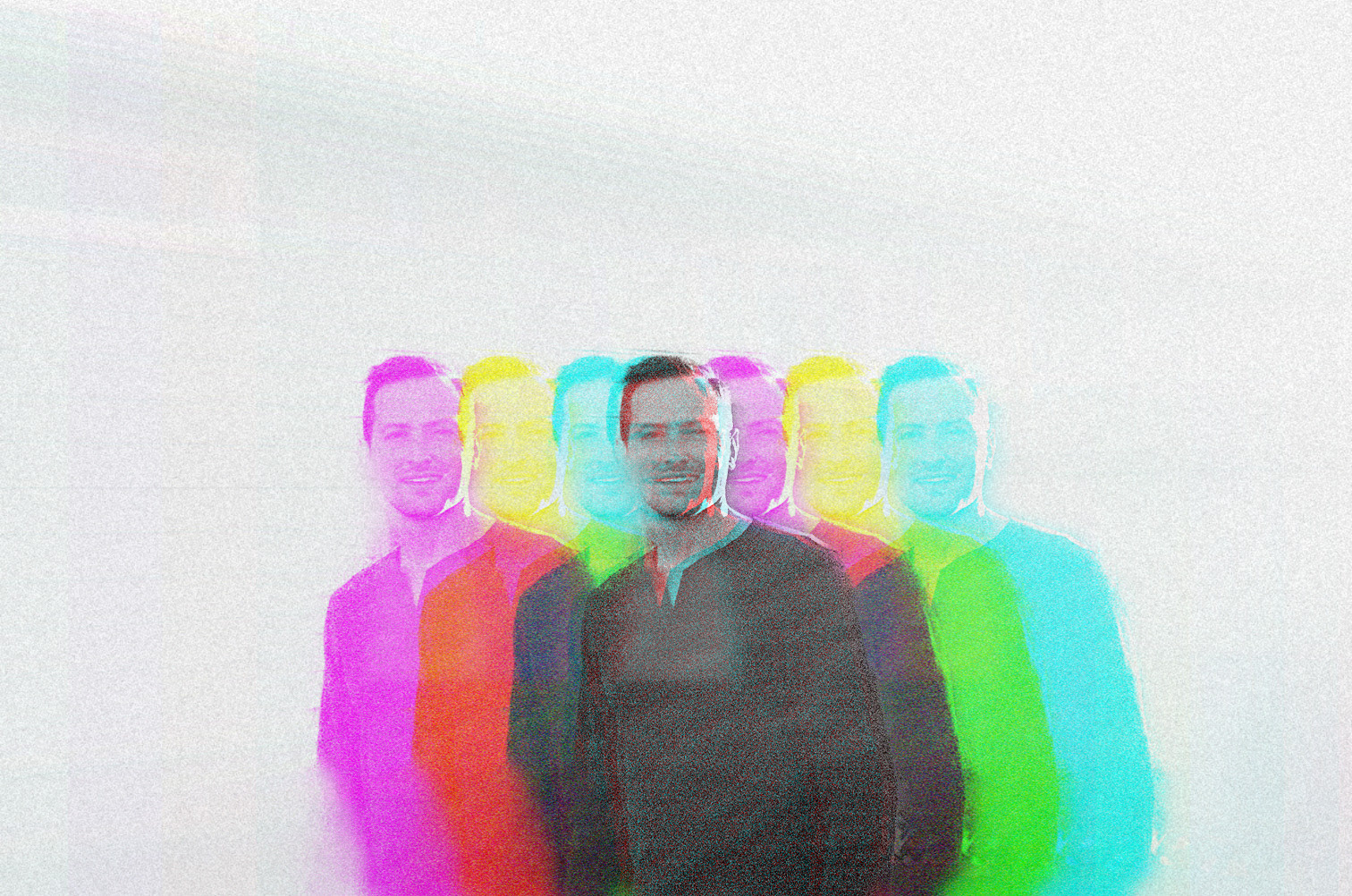
Multidisciplinary Artist Angel Axioma
My work investigates the categorical boundary between the biological and the synthetic — and proposes that the boundary does not exist. Biological order, human culture, and fabricated objects are expressions of the same continuous system. What we call natural and what we call made are not opposing categories but continuous expressions of matter organizing itself across time.
I hold both an MFA and a BS in Biomedical Engineering. The engineering degree was not a departure from art — it was a decision to understand, at the molecular level, the systems my art had always engaged. Studying material science, tissue architecture, and the structural logic of living systems gave me a technical vocabulary for forms I had been working with intuitively and transformed how I think about the relationship between matter, memory, and design.
I hold both an MFA and a BS in Biomedical Engineering. The engineering degree was not a departure from art — it was a decision to understand, at the molecular level, the systems my art had always engaged. Studying material science, tissue architecture, and the structural logic of living systems gave me a technical vocabulary for forms I had been working with intuitively and transformed how I think about the relationship between matter, memory, and design.
My ongoing series Patterns for Life is the synthesis of that dual training. The work treats biological form as a carrier of memory — memory that moves across bodies, landscapes, and generations. Through processes of cutting, layering, and chromatic patterning — developed at studio scale in mixed media and expanding into wood, resin, and metal — I develop compositions derived from organisms that exist at the boundary between the decorative and the structural: cnidarians, coral sponges, flowering plants, algae. These forms carry radial symmetry, bilateral patterning, and chromatic signaling systems that are simultaneously biological facts and cultural symbols. The series proposes that the patterns organizing a cell, a body, a community, and a landscape are not analogies for each other — they are the same pattern operating at different scales. Memory is not something we store. It is something that shapes and carries us.
My civic commissions extend this inquiry into public space. Works such as Two Live By A Star (2025) and A Place for Our Thoughts create sculptural environments where viewers physically enter the work and complete it through their presence — the body of the viewer becomes part of the pattern. Across all scales, from studio work on paper to permanent public installation, my practice asks the same question: what happens when we stop treating the biological and the synthetic as separate, and begin to see the single system they have always been?
My training in Biomedical Engineering provides direct experience with material science, structural analysis, and the interpretation of technical specifications and drawings. For both public commissions, I received and interpreted architectural site plans and construction documents, produced design renderings and preliminary CAD models, then refined them in collaboration with a structural engineer. I coordinated with fabrication teams and installers to develop modular systems that met structural and safety requirements while allowing flexibility during installation. Working across disciplines — reading engineering drawings, understanding load specifications, communicating between designers, engineers, and fabricators — is native to both my engineering training and my studio practice, where the boundary between technical problem-solving and artistic decision-making is, by design, not a boundary at all.
Angel Axioma 2026